
Elegant Living, Reimagined from the Discarded

Step into a world where overlooked materials become sophisticated statements and every surface tells a mindful story. Today we explore Upcycled Elegance for Modern Homes, revealing how craftsmanship, curation, and quiet restraint transform rescued pieces into polished focal points. Expect practical methods, heartfelt anecdotes, and doable ideas that respect modern aesthetics without sacrificing character. Share your inspirations as you read, because your voice helps shape a living, evolving conversation around beauty, sustainability, and the joy of truly intentional spaces.

Design Principles That Make Reuse Feel Luxurious

Elegance is not an accident; it grows from proportion, restraint, and purposeful contrast. We will translate the soulful character of reclaimed materials into serene compositions that sit comfortably in contemporary rooms. You will learn how silhouette, negative space, texture orchestration, and a limited palette create continuity. Instead of clutter or nostalgia overload, we aim for clarity, comfort, and graceful utility that honors history without reenacting it. Even bold pieces feel calm when their lines are resolved and their surfaces whisper quality.

Sourcing with Intention and Story

Hunting for materials becomes more meaningful when each find carries a traceable origin and a worthy future. Visit architectural salvage yards, estate sales, and local maker co-ops with measured patience and a tape measure. Ask questions about previous use, storage conditions, and repairs. Verify safety by screening for lead paint, pests, or structural fatigue. The piece you choose should align with your lifestyle and values. Intention turns a casual purchase into a conversation starter that grows richer over time.

Where to Look Without Compromise

Prioritize sources that treat materials respectfully: well-organized salvage yards, community reuse centers, auction houses with transparent listings, and reputable online marketplaces. Arrive prepared with dimensions, inspiration photos, and finish samples. Be open to peripheral finds—hardware, glass, or architectural fragments—that can elevate another project. Negotiate fairly, factor restoration costs, and walk away if quality feels uncertain. The right piece usually rewards patience, arriving precisely when your standards and vision align.

Quality Checks That Matter

Inspect joinery for wobble, splits, or past repairs. Probe for soft spots indicating moisture damage. Evaluate veneers for lifting edges and check drawers for smooth travel. Conduct a lead swab test on painted items and ask about previous treatments. Smell for mildew, inspect for beetle holes, and consider weight relative to wood species. Choosing sound bones minimizes future surprises, reduces waste, and ensures your elegant finish rests on trustworthy structure.

Surface Preparation and Grain Revival

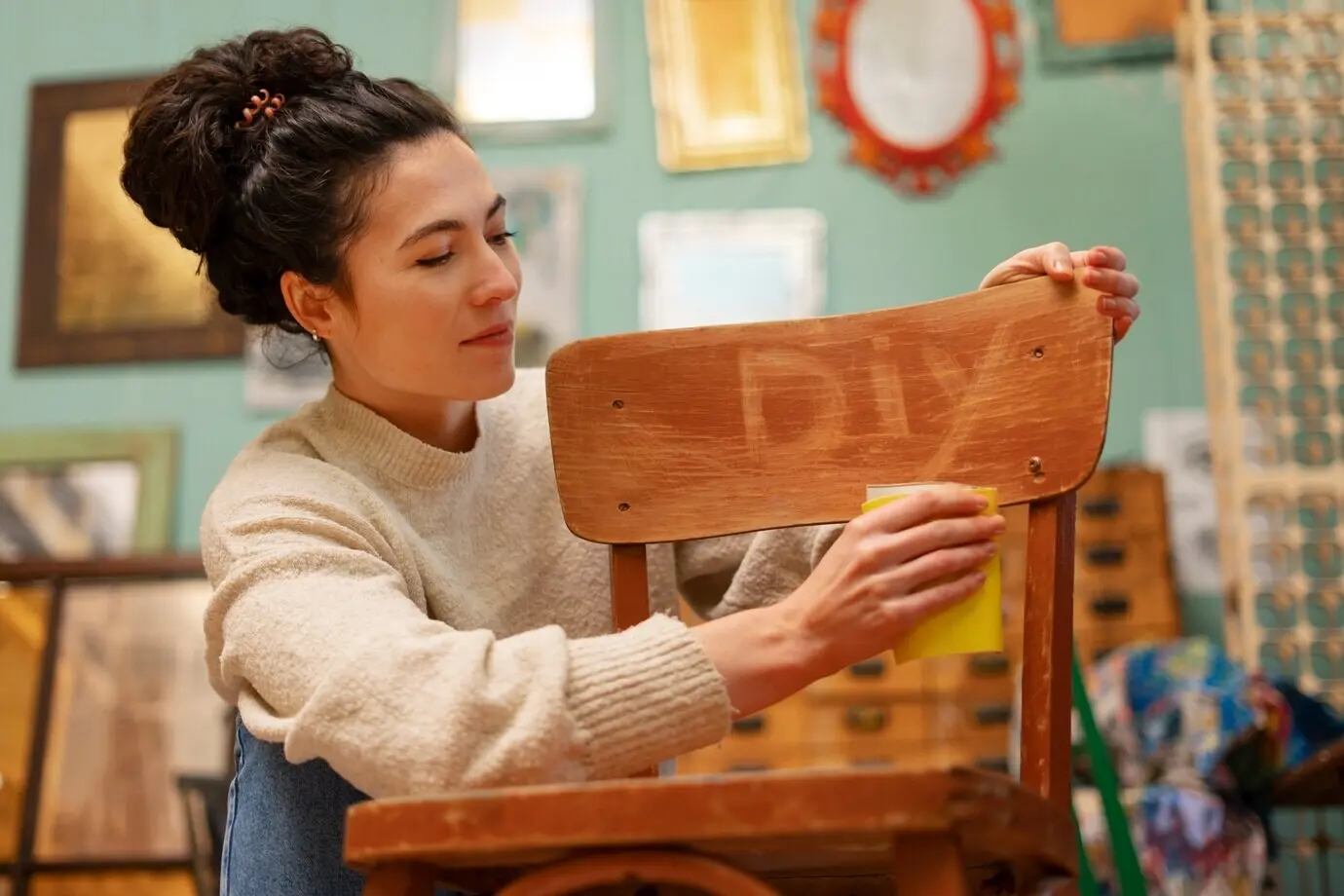
Begin with a careful clean using mineral spirits or a pH-balanced wood cleaner. Sand progressively, finishing around 180–220 grit to maintain texture. Raise the grain lightly before final sanding for smoother results. Patch with color-matched fillers, then seal knots where necessary. Test stains on hidden areas to predict undertones. The goal is to honor age while revealing depth, letting the wood’s story remain visible beneath a measured, contemporary sheen that invites touch.

Joinery and Structural Integrity

Confirm squareness before committing to finishes. Reinforce with dowels, pocket screws, or concealed splines where appropriate. When re-gluing mortise and tenon joints, remove old adhesive thoroughly for a reliable bond. Level feet, shim subtly, and replace fatigued back panels with stable plywood. Invisible strength enables daily life to meet heritage materials. When a drawer glides without protest and a table stands unshakable, elegance reads through silence rather than spectacle.

Aesthetic Harmony in Contemporary Spaces

Contemporary rooms thrive on clarity, rhythm, and considered contrast. Upcycling can honor those principles when color, texture, and silhouette coordinate rather than compete. Use a calm base—muted walls, restrained rugs, streamlined lighting—then let a refined reclaimed piece provide the narrative accent. Echo its tone through a frame, throw, or metal detail. This orchestration reads collected, not chaotic, allowing history and modernity to coexist with generous breathing room and welcoming warmth.

Neutral Bases, Character Accents

Anchor spaces with warm whites, gentle taupes, or complex grays, then introduce depth through wood grain and hand-finished metal. A single bold element—a restored sideboard, perhaps—should carry the personality while supporting elements stay quiet. Repeat a subtle color thread across textiles and art. In this balance, the upcycled hero feels intentional, not theatrical, and the room remains soothing, adaptable, and distinctly yours day after day.
Metals, Glass, and Matte Contrast

Temper timeworn textures with crisp materials: low-iron glass, brushed brass, powder-coated steel, or matte porcelain. Avoid a jumble by limiting metal finishes to two families and repeating them strategically. Glass tops can protect vintage wood while sharpening silhouettes. Matte surfaces absorb glare, letting grain and form come forward. The interplay creates quiet tension—lively enough to engage, restrained enough to relax—perfect for modern living that values both clarity and character.

Lighting as a Curator

Layered lighting elevates every surface. Use warm-white LEDs to honor wood tones, add a picture light to graze texture, and install dimmers for mood control. A floor lamp can draw attention to joinery, while hidden strips under shelves float silhouettes. Avoid harsh downlights that flatten details. When illumination tells the story with intention, upcycled elegance feels gallery-worthy yet unmistakably livable, welcoming conversation without demanding it.

Transformations for Compact Living

In small homes, upcycling shines by maximizing utility without visual noise. Choose pieces that fold, stack, or transform gracefully. Integrate storage beneath benches, inside headboards, or behind paneling. Favor slender legs, wall mounting, and light-reflective finishes to keep floors clear. When each object serves multiple roles, rooms expand psychologically. Elegance in tight quarters relies on disciplined selection, practical magic, and the reassurance that nothing feels excessive or arbitrary.

Modularity Without Clutter

Design components to recombine: nesting tables from reclaimed tops, a bench that becomes two stools, or a cabinet with adjustable shelves. Keep hardware minimal and lines coherent so reconfiguration reads calm, not chaotic. Use consistent finishes across modules for visual unity. Thoughtful modularity protects flexibility as life evolves, ensuring your most loved pieces adapt gracefully instead of being replaced hastily.

Vertical Lines, Airy Floors

Float shelving on sturdy brackets to free walking paths. Choose tall storage with narrow footprints to lift the eye and emphasize height. Transparent elements like glass doors or open frames maintain depth perception. Use slender silhouettes and a few generous voids to avoid compression. When floors remain visible and verticals guide the gaze, even compact rooms feel poised, luminous, and surprisingly spacious.

Care, Safety, and Long-Term Stewardship

Stewardship sustains elegance over years, not just seasons. Choose non-toxic finishes, allow proper cure times, and vent spaces thoroughly. Address pests, lead, or mold with certified processes before pieces enter living areas. Establish a maintenance rhythm—gentle cleaners, seasonal inspections, and quick fixes for dings. Respect humidity ranges to protect joinery. Care is an investment that compounds quietly, ensuring your refined upcycles remain healthy, useful, and radiantly composed.

Community Inspiration and Your Next Step

Great rooms grow richer through shared wisdom. Tell us what you have transformed, where you sourced it, and the refinements that made it sing. Ask questions, request guidance, and subscribe for monthly challenges that spark progress. We will spotlight reader projects, connect you with local resources, and celebrate the small victories that build confident momentum. Your participation turns ideas into living rooms full of meaning.

Share Your Before-and-After

Post photos, dimensions, and a short restoration timeline so others can learn from your process. Include finish choices, unexpected hurdles, and what you would do differently next time. Thoughtful feedback cultivates community expertise, while your success story encourages someone standing at the salvage yard, measuring tape in hand, ready to begin their own refined transformation.

Swap, Source, and Support Locals

Join a neighborhood swap, visit maker markets, or list surplus parts for someone else’s project. When tools, hardware, and offcuts circulate locally, costs drop and creativity rises. Tag responsible businesses and craftspeople you trust. Community exchange brings rare pieces to new life, reduces waste, and strengthens the ecosystem that sustains elegant, resourceful homes.

Join Our Monthly Challenge

Subscribe to receive a simple, focused prompt—refinish a drawer front, replace dated pulls, or design a compact entry solution. Share progress updates, celebrate small wins, and ask for quick advice. By tackling approachable goals together, we build skills, courage, and delightful spaces anchored in mindful reuse and polished craftsmanship.
Mafupamopona
Privacy Overview

This website uses cookies so that we can provide you with the best user experience possible. Cookie information is stored in your browser and performs functions such as recognising you when you return to our website and helping our team to understand which sections of the website you find most interesting and useful.