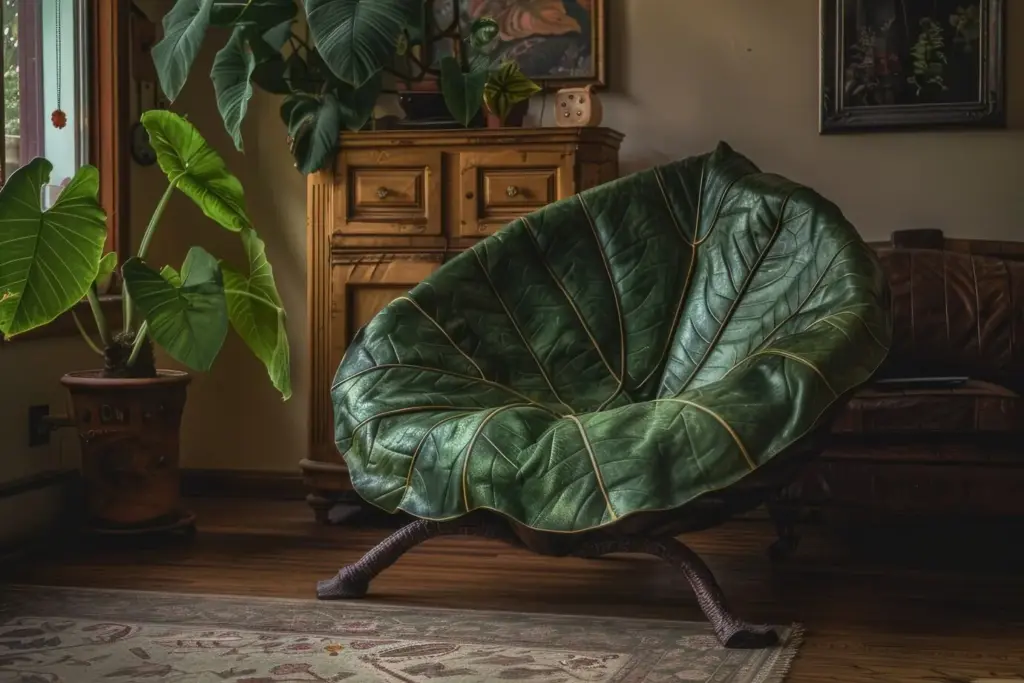
From Flea‑Market Treasure to Modern Showpiece
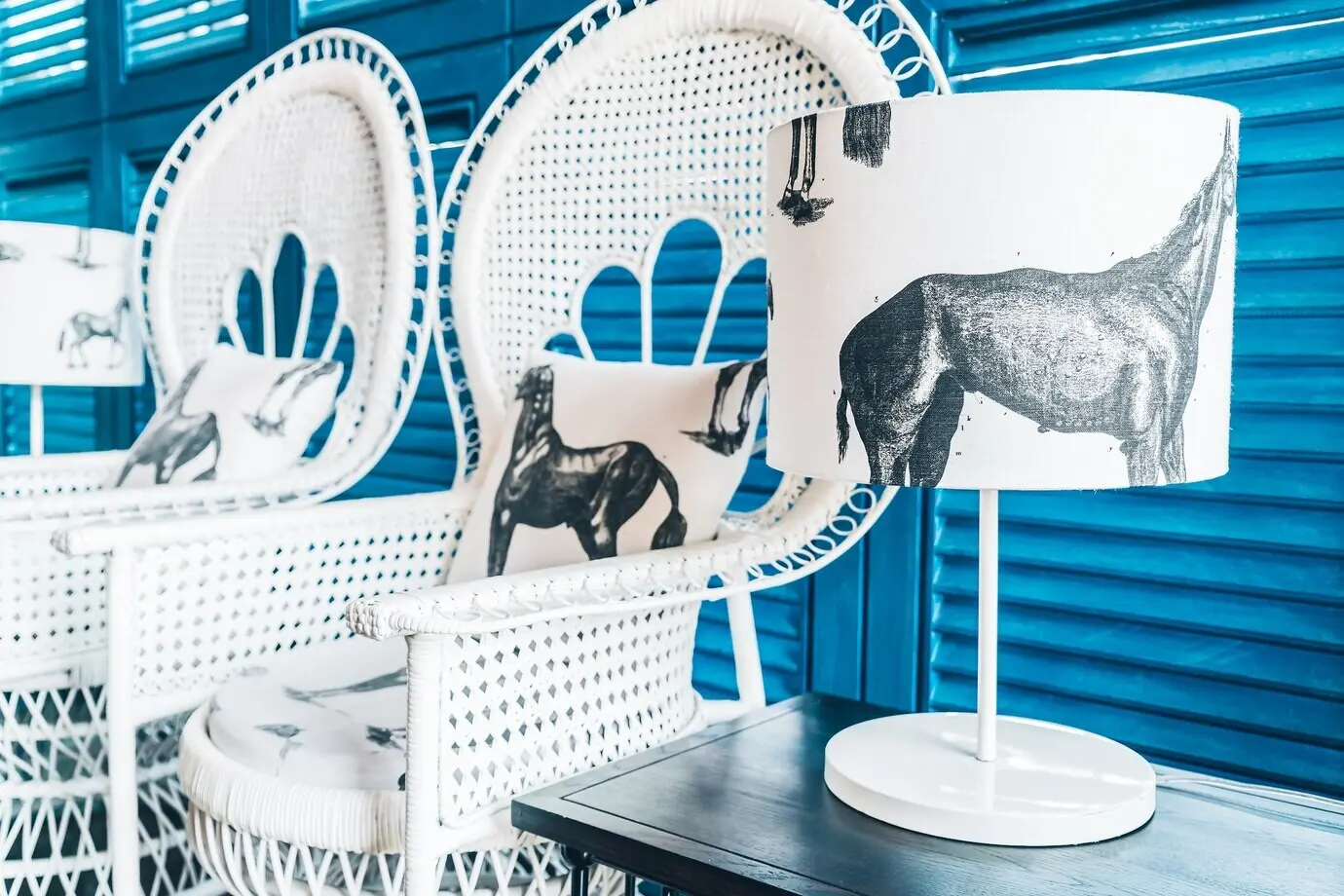
Today we’re exploring styling strategies to elevate thrifted finds in contemporary interiors, translating character-rich objects into polished, livable spaces. We’ll blend practical methods with creative stories, showing how color, scale, light, and subtle upgrades can harmonize heirloom charm with crisp, modern clarity. Expect actionable steps, unexpected pairings, and encouraging guidance that turns lucky discoveries into purposeful design moments. Along the way, you’ll meet real-room anecdotes, resourceful fixes, and mindful curation ideas that keep personality front and center while honoring today’s cleaner lines and effortless comfort.

Palette Strategies That Quiet the Room

Choose two neutrals as your base—perhaps bone and graphite—then introduce one accent pulled from a favorite thrifted piece, like the emerald veining in a marble tray. This limited palette reduces visual chatter, allows forms to stand out, and protects contemporary serenity. When in doubt, repeat the accent sparingly across textiles, art mats, or book spines to weave the color with intention rather than saturation.

Material Harmony Without Matchy‑Matchy

Echo materials across the room while varying finishes to dodge a showroom feel. A vintage walnut sideboard feels at home beside a modern walnut-framed mirror if their tones relate, while a matte-black metal lamp base nods to contemporary hardware. Consistency through wood species, metal color, or stone type creates cohesion, yet micro-variations keep everything human, collected, and comfortably layered rather than overly coordinated.

Upgrades That Respect Character

Before sanding or staining, try a deep clean and targeted conditioning. Wood often brightens with mineral spirits and a beeswax balm, revealing life beneath the dust. Brass wakes up with lemon and salt, then a microcrystalline wax for protection. These patient steps preserve small scars, allowing age to read as a deliberate texture rather than damage. You keep the story intact while making the surface healthier and more resilient for daily living.
A $15 thrift-store chair becomes an everyday favorite with performance fabric that resists stains yet visually softens a room. Choose a weave that complements existing textures and a color tied to your palette strategy. Reuse original trims where possible, or replace with refined piping to nod to heritage. The seat feels new, but the frame’s joinery and silhouette whisper history, creating a satisfying balance between longevity, comfort, and character-rich detail.
Swap dated pulls for solid-brass bars or powder-coated knobs that mirror other metal moments in the room. Refresh battered lacquer with a satin finish to temper glare while maintaining crispness. If a piece’s wood grain deserves attention, consider a toner rather than opaque paint. These small, targeted moves offer a dramatic perceived upgrade, aligning the object with contemporary clarity without stripping away the subtle irregularities that make it feel unquestionably human and real.

Balancing Eras and Proportions

Successful rooms feel orchestrated, not accidental. When merging decades, let a few bold contemporary anchors steady the composition so the smaller, storied objects can shine. Focus on proportion, silhouette, and negative space to keep sightlines calm. A lean, modern sofa can frame a sculptural mid-century chair, while a streamlined pedestal grants a quirky ceramic the respect of a gallery plinth. Balance expresses harmony, and harmony invites daily use.

Anchoring With Clean‑Lined Foundations

Use one or two strong contemporary pieces—sofa, dining table, credenza—as the backbone. Their crisp geometry organizes the room, giving vintage shapes context and room to breathe. Against this clarity, a carved side table or antique rug feels intentional rather than cluttered. Think of modern lines as punctuation; they introduce pauses, define paragraphs, and help the eye read the story without getting lost among enticing, timeworn details and layered memories.

Managing Scale, Weight, and Negative Space

Oversized vintage trunks, heavy mirrors, or ornate cabinets can overcrowd minimal architecture if not counterbalanced. Pair visual weight with breathing room: float a hefty piece near a window, flank it with slender lamps, or mount the TV to free floor space. Aim for dynamic contrast—large next to small, solid beside airy—so shadows and gaps become part of the composition. This rhythm safeguards contemporary spaciousness while welcoming soulful, substantial finds.

Layering Patterns With Confident Restraint

Let one pattern lead and others follow quietly. A vintage kilim can teach the palette, while a subtle pinstripe on cushions and a faint grid in drapery whisper support. Keep at least forty percent of surfaces calm to maintain contemporary clarity. Rotate smaller patterned accessories seasonally to refresh energy without reworking the room. Your cherished thrifts remain constant, while lightweight textiles provide playful, low-commitment evolution that respects proportion and mood.
Lighting and Display as Storytelling

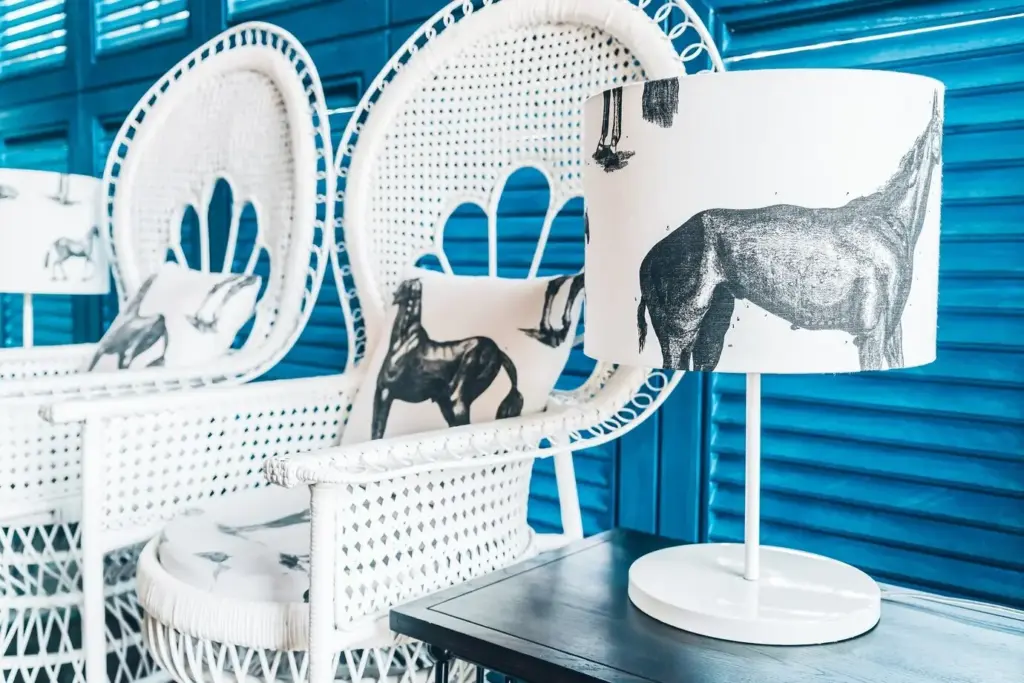
Light frames the narrative of your collected pieces, turning ordinary corners into moments of discovery. Combine ambient, task, and accent lighting so thrifted objects read with clarity from day to night. Consider height, distance, and beam spread to avoid harsh glare while highlighting texture. Thoughtful placement transforms a modest ceramic into a focal curiosity and invites conversation. With display, restraint matters: give each object neighbors that help it speak rather than shout.

Color and Texture for Contemporary Calm
A serene modern backdrop helps vintage pieces resonate rather than compete. Use texture to add depth where color stays quiet, and introduce accent hues deliberately through art, flowers, or a single upholstered moment. Think in layers: smooth next to nubby, matte beside gloss, cool stones offset by warm woods. This tension keeps spaces awake yet restful. It’s the visual equivalent of a playlist where each track feels distinct but flows effortlessly to the next.

Sourcing, Budgeting, and Authenticity

Good finds reward patience, pattern recognition, and a realistic budget. Learn where and when to hunt, how to scan quickly, and what details signal quality. Protect your wallet by assigning upgrade allowances before buying, and understand the value equation of time, materials, and resale potential. Authenticity matters, but so does gut-level affection. The goal is a collection that reads personal and intelligent, not expensive for its own sake or trendy without staying power.

Where and When to Hunt Strategically

Arrive early to estate sales for big furniture and late for deals on accessories. Visit thrift shops midweek after donations process, and set searches with alerts for online marketplaces. Bring measurements, fabric swatches, and a small flashlight. The prepared eye notices joinery, veneer edges, and label placements quickly. Consistency breeds luck; over months, patterns emerge, relationships form, and you’ll spot quality across a crowded room within seconds.

Assessing Quality, Maker Marks, and Repairs

Flip pieces carefully. Solid wood backs, dovetail joints, and original screws tell a promising story. Photograph labels and research on the spot; a known maker may justify a higher price or respectful restoration. Factor repairs honestly: wobbly legs and loose caning are fixable; swelling from water damage often isn’t. Choose integrity over wishful thinking. A sturdy, modest piece upgraded thoughtfully often outperforms a compromised showstopper in daily life.

Budget Frameworks and Value Math

Set three numbers: acquisition, upgrade, and contingency. If a chair costs fifty, upholstery might require two hundred, and hardware another forty; decide whether the final total aligns with comparable retail quality. Value also includes sustainability, uniqueness, and story. Keep a rolling list of priority needs so impulse buys pass the test. You will spend smarter, finish projects sooner, and ultimately assemble a home that feels cohesive, loved, and responsibly crafted.

Photographing and Posting With Honesty

Shoot before-and-afters in natural light, noting what worked and what you would try differently. Include close-ups of textures and joinery so viewers understand material realities, not only styled moments. Honest captions build trust and invite better advice. Tag craftspeople and shops who helped. Your documentation becomes a learning library, inspiring others to salvage thoughtfully and giving your own process a clear, motivating record you can revisit before your next hunt.

Inviting Dialogue, Tips, and Meetups

Ask readers which finishes hold up, where they source upholstery foam, or how they maintain oiled wood. Host a monthly comment thread or neighborhood swap to circulate pieces responsibly. Encourage respectful debate about painting versus preserving. The more perspectives, the sharper your eye becomes. Drop your questions or wins below, subscribe for new ideas, and join our community challenges that turn small budgets and secondhand finds into wonderfully livable, contemporary rooms.

Maintenance Routines That Protect Investments

Create seasonal checkups: tighten screws, condition wood, rotate cushions, and dust under bases where grit collects. Use coasters religiously and felt pads beneath accessories to protect finishes. Vacuum upholstery with a soft brush weekly. These simple habits compound, preserving patina without letting damage creep in. Your favorite thrifted pieces will age gracefully beside newer elements, proving that contemporary comfort and long-term stewardship can coexist beautifully, sustainably, and without exhausting effort or expense.

Mafupamopona
Privacy Overview

This website uses cookies so that we can provide you with the best user experience possible. Cookie information is stored in your browser and performs functions such as recognising you when you return to our website and helping our team to understand which sections of the website you find most interesting and useful.